Kennedy Baptist College Case Study - Renaissance Australia

Kennedy Baptist College: 400 million words in three years – and a culture of reading stronger than ever.

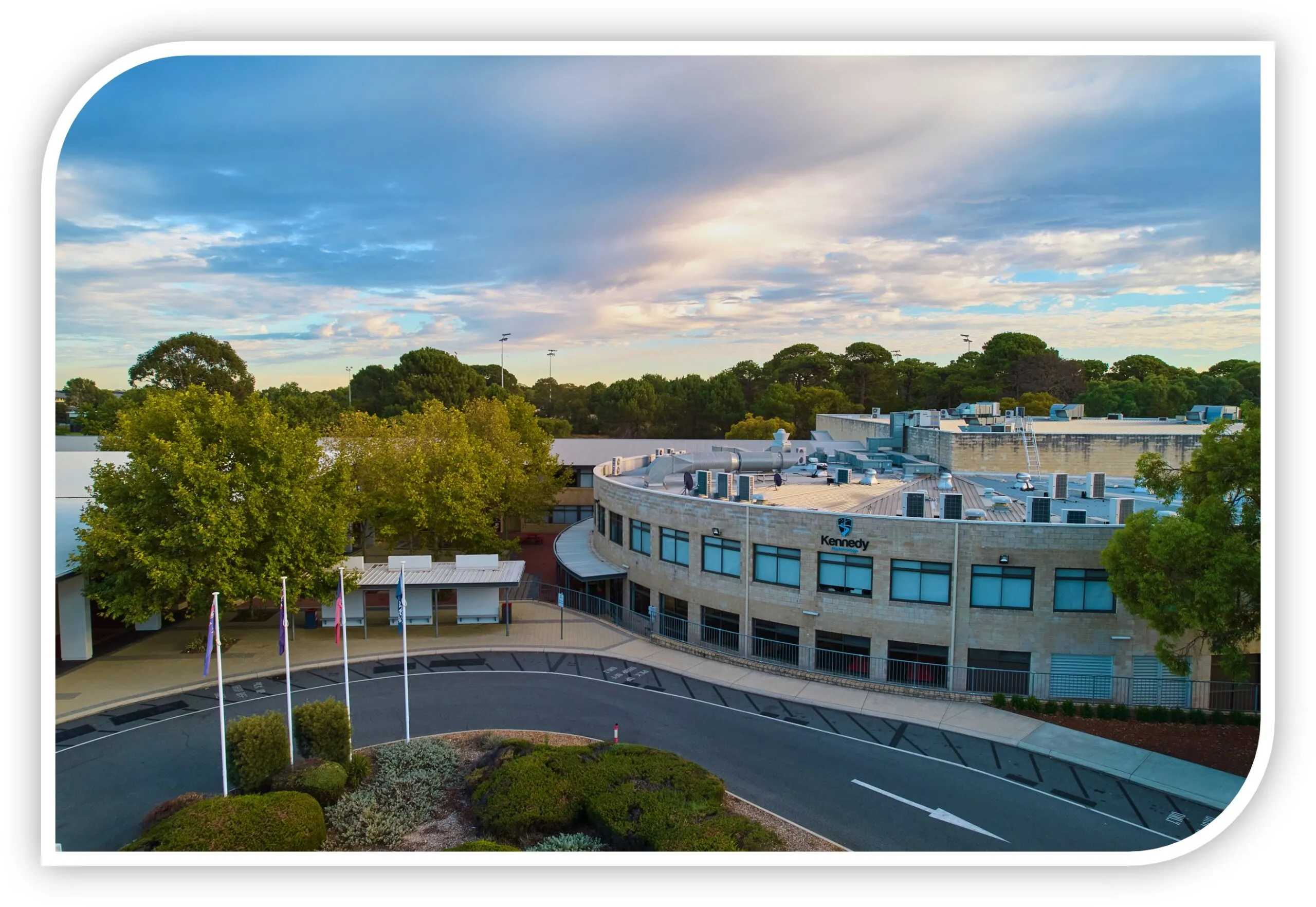
Kennedy Baptist College in Murdoch, Western Australia, has long been proud of its vibrant reading culture. Every English lesson begins with ten minutes of reading, the library runs fortnightly sessions with Years 7 to 10, and their own annual Champions Read competition generates thousands of hours of reading time across the school. Yet, as Head of Research and Study Natasha Georgiou explains, there was a missing piece. 

“We needed to have some form of data to see how students’ reading comprehension was progressing,” Natasha Georgiou recalls. “NAPLAN and PAT didn’t show progress throughout the current year.” 

The leadership team wanted more than enthusiasm for reading. They wanted in-year visibility of progress and a way to differentiate support for students at every level, especially in Year 8, when motivation can dip. Traditional book-count challenges were popular but limited. They didn’t always reflect the difficulty of what was being read, and they were hard to verify. That is where Renaissance solutions came in. 

Introducing STAR and AR

Kennedy adopted Renaissance Star Reading and Accelerated Reader (AR), embedding them directly into existing programs. At the start and end of the year, students sit a STAR assessment, giving English teachers a clear view of growth and areas to target. Each student is then given an individual AR points goal, carefully aligned to their reading level. 

“As we became more familiar with STAR and AR we refined the process,” Natasha says. “We began incorporating it into our reading challenges and literacy lessons. That has seen improvement with the take-up of the platform.” 

The improvement was dramatic. In Year 7, the number of students reaching their reading goals leapt from around 70 students to 125 students out of a cohort of 220 – meaning more than half of the year level achieved their personal targets. Year 8, a cohort where reading engagement typically drops, saw numbers double from 30 students to 60 students hitting their targets out of roughly 220.
From 81 million to 195 million words in three years

Alongside this growth in participation, the scale of reading has been remarkable. Since introducing AR, students at Kennedy have read:

81

million words read

in 2023

81,524,169 words read through Accelerated Reader

125

million words read

in 2024

125,101,726 words read in Accelerated Reader 

195

million words read

in 2025 so far

195,320,317 words read in Accelerated Reader

That’s over 400 million words in just three years-a testament to how the tools have sustained motivation and measurable literacy growth. 
 
“Our reading culture was always great,” Natasha reflects, “but now it has become inclusive and differentiated.” 

Stories that Stick

Beyond the numbers, the impact on individual students has been profound. Natasha recalls one moment in particular. A boy with significant learning challenges proudly shared the result of an Accelerated Reader Article quiz: “This was the first time he got 100% for anything in his life,” she says. “He was so proud of this achievement.” 

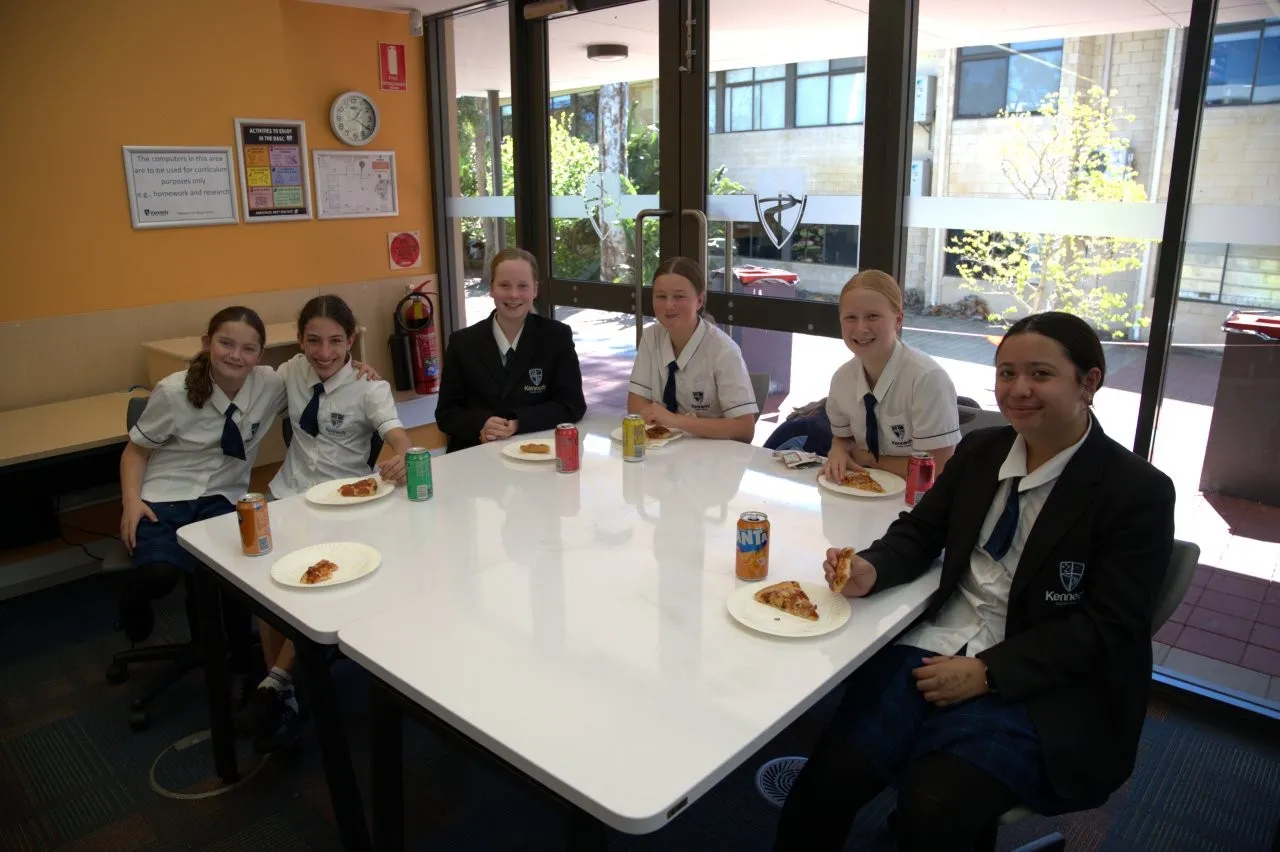
These moments speak to the power of the program. The tools have given teachers data they can act on, while also giving students tangible milestones to celebrate. Small incentives, such as a pizza lunch for Year 7s, donut recess for Year 8s, or a scratch-card prize draw, keep motivation alive. Yet the deeper motivation comes from success itself – students seeing and believing in their own progress. 

Why Kennedy’s Approach Works

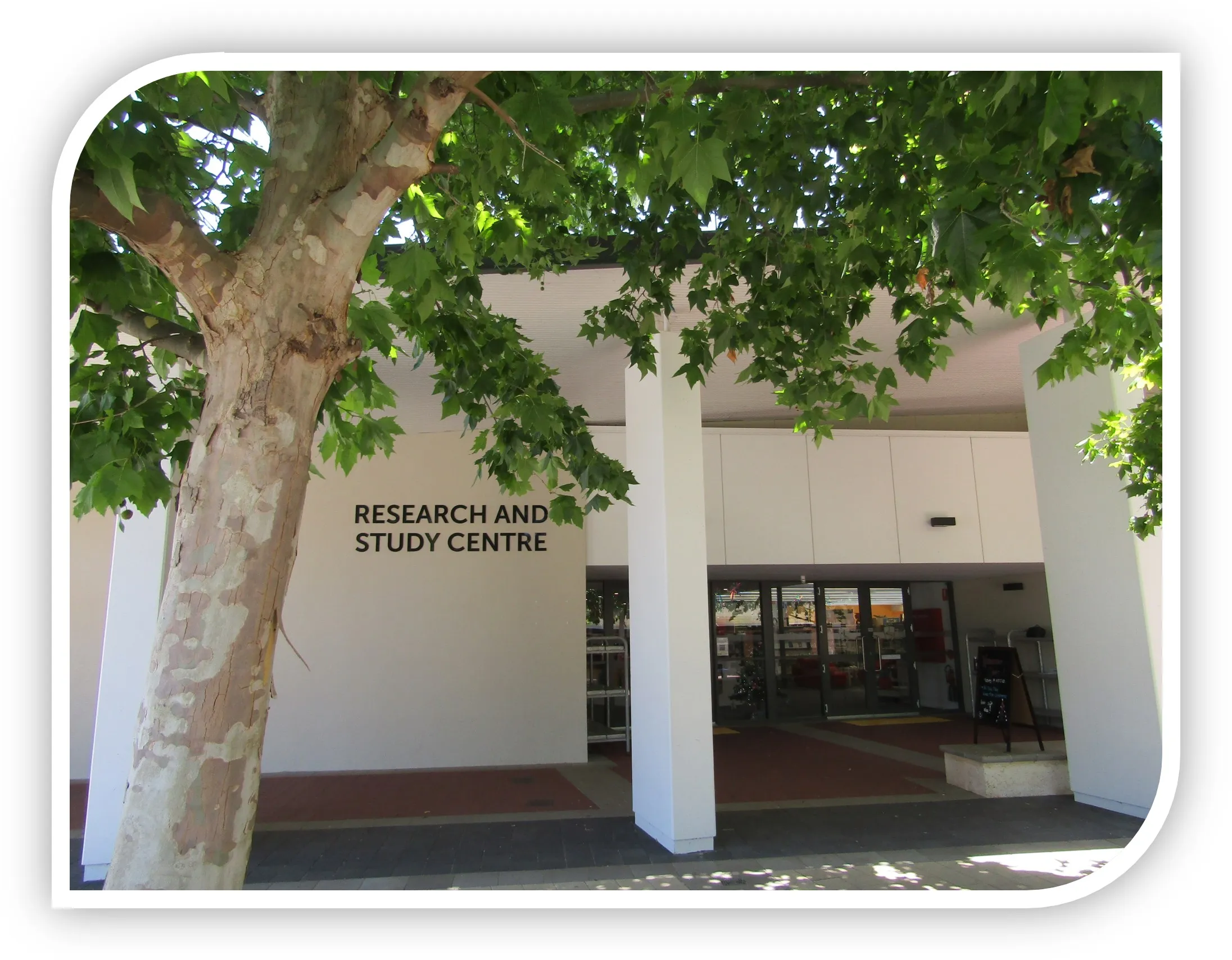
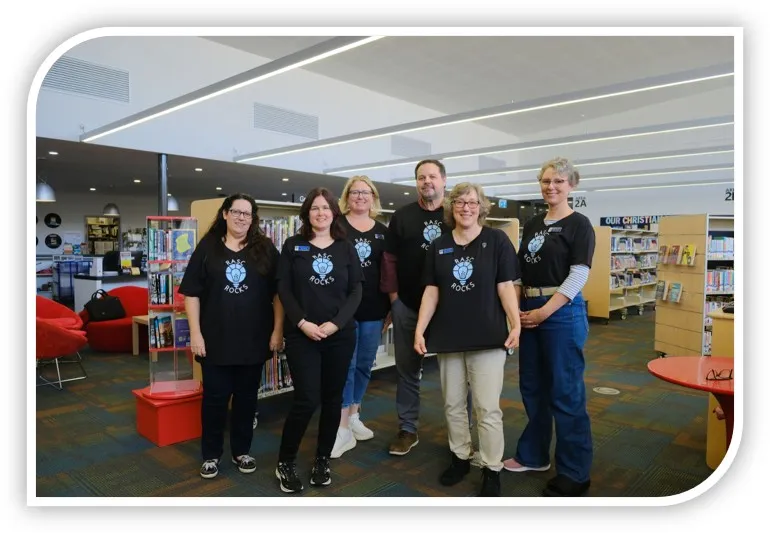
A key factor has been the leadership of the Research and Study Centre. The library team doesn’t just run reading sessions; it sets the direction for literacy across the school. English teachers reinforce strategies in the classroom, and leadership provides the resourcing to make it all possible. “The RASC leads school literacy, English supports our reading strategies, and leadership backs us with funding and resourcing,” Natasha notes. 

By weaving STAR and AR into the very fabric of school life, Kennedy avoided the pitfall of making literacy feel like an add-on. Instead, the tools became part of the rhythm of learning – supporting reading competitions, informing class planning, and making every student’s goal feel personal. 

Looking Ahead

Kennedy Baptist College is determined to keep building on this foundation. The school aims to consolidate its literacy programs and continue lifting outcomes on measures such as NAPLAN and OLNA. Natasha sees STAR and AR as central to that ambition. 

“These tools will help motivate students through gamification and improve comprehension through repeat opportunities to test and improve using books they enjoy,” she says. 

The story of Kennedy is one of a school with a strong reading culture that wanted more – and found it. By combining a love of reading with the power of data, the College has created a literacy program that is measurable, motivating, and truly inclusive. 

Advice from Kennedy to other schools

  • Put Teacher Librarians at the heart of a structured reading program.
  • Embed reading into English timetables and assessment cycles.
  • Keep collections fresh and student-driven, including eBooks and audiobooks.
  • Make displays appealing, promote relentlessly, and model reading positively. 
Read about our Literacy Solution