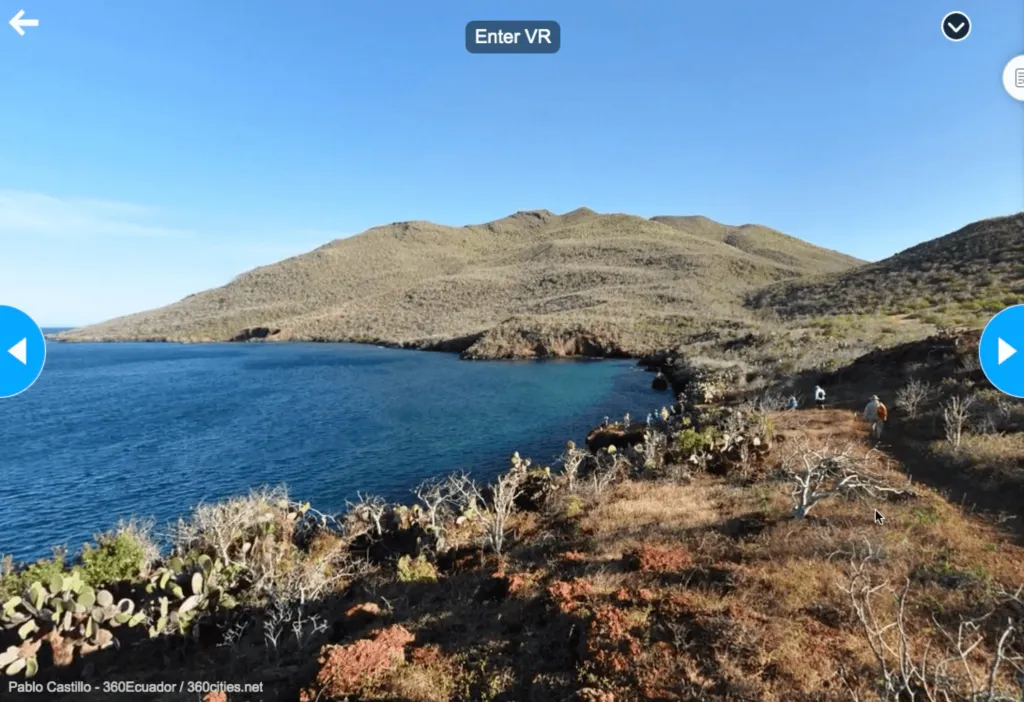
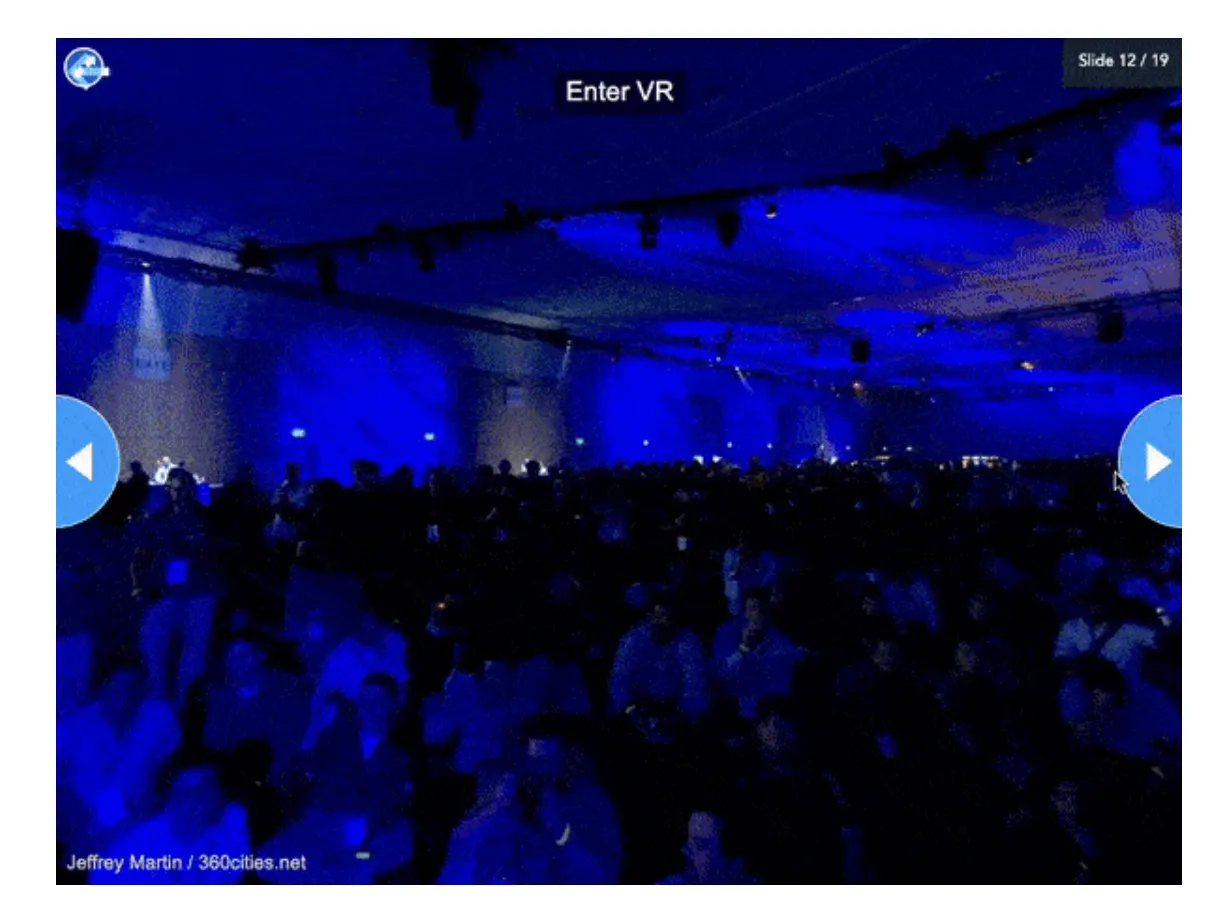
Sharon’s initial introduction to Nearpod came through New South Wales’ Technology for Learning program, commonly known as STEM T4L. Reflecting on her experience, she exclaims, “Dealing with the diverse needs of each student in a classroom can be quite challenging. Fortunately, Nearpod has been a lifesaver!”
We interviewed Sharon to dive deeper into the valuable insights gained from her journey with Nearpod.
What are the main challenges of STEM education in Australia?
“STEM is not a traditional classroom subject. It involves project-based learning, problem-solving, and using technology. Students bring diverse experience levels into the classroom based on their exposure and access to technology at home. Some students may have spent time being creative using building blocks. Some others may not have had the opportunity. STEM education, therefore, must cater to this diversity in students.
The second challenge is that since STEM is not a traditional subject, students find it uncomfortable. Learning involves trial and error, and, most importantly, failing but then trying again. The idea of failing can be uncomfortable for many students. It is hard to change their mindset about this. To engage and motivate them, I introduce them to game-based learning to get them used to the idea of experimenting.”
Did you always want to be a teacher? When did your love for teaching start?
“I did not start my career as a teacher. I am trained in the sciences. I stumbled upon teaching when I helped at my children’s school during my early motherhood years. I loved being around children so much that I decided to train as a primary school teacher.
When the school decided to pay attention to STEM education, they needed someone to teach the digital technology curriculum. So, I stepped up. I could use these technology kits, including robots, in my lessons. It has been a rewarding journey because I get to discover and grow with the students.”