Emmanuel College Case Study - Renaissance Australia

Race to a Million at Emmanuel College: Leaderboards, milestones, and visible literacy progress

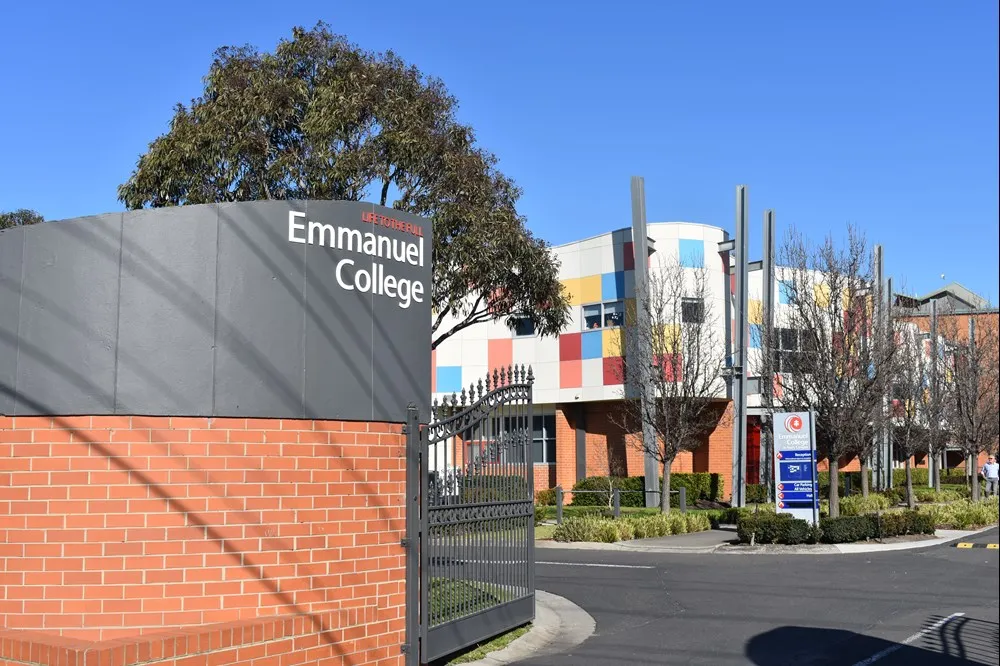
Emmanuel College is a Victorian Catholic secondary school with campuses in Altona North and Point Cook. Guided by the Marianist ethos and the motto “Life to the Full”, the College fosters a culture of excellence, community, and lifelong learning.

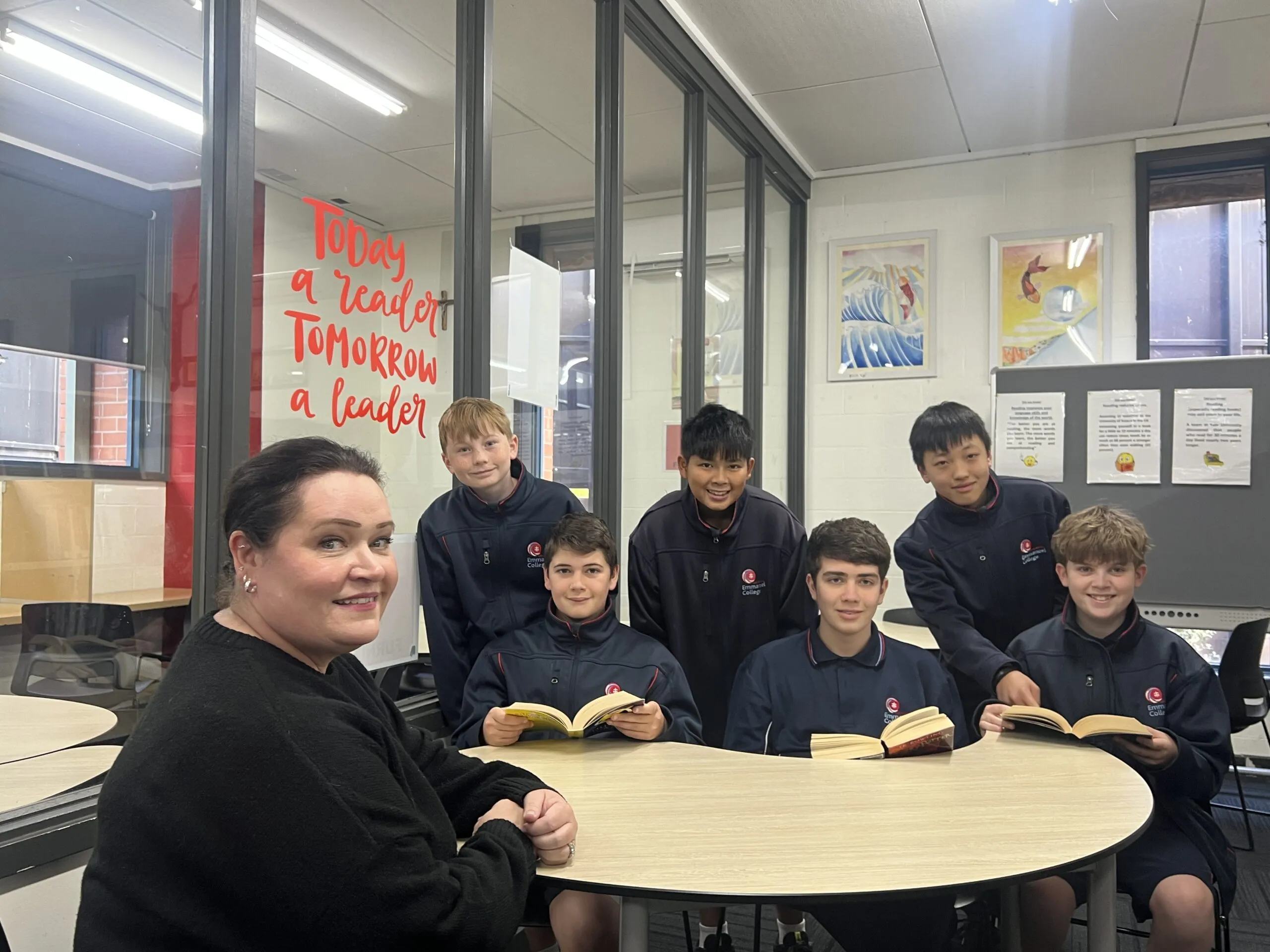
Head of Libraries, Sarah Derrig, joined in 2020 with a mission to spark a culture of reading. With her leadership, the library has become a hub where literacy progress is visible, celebrated, and shared.

Executive summary

Before adopting Accelerated Reader (AR) and STAR Reading, independent reading time lacked structure. Students struggled to select the right books, and teachers had little visibility of progress. The combination of AR’s personalised book-matching, comprehension quizzes, and motivating goals with STAR’s quick, adaptive assessments gave the College a simple framework:

  • Get every student into the right book.
  • Check understanding through quizzes.
  • Make progress visible.
  • Celebrate milestones.

The results were striking. The boys’ campus moved from approximately 15 million words read in 2023 to over 25 million in 2024. By the midpoint of 2025, students had already passed 20 million words, showing that reading had become embedded as a daily habit.

Racing Ahead, Reading Strong

Emmanuel College has achieved:

25

million words read

in 2024

25 million words read

20

million words read

by the midpoint of 2025

over 20 million words read

40

million words read

estimated by the end of 2025

40 million words read

From challenge to strategy

Independent reading periods had existed for years but without shared goals or consistent routines, they rarely built momentum. Reluctant readers, and especially those with English as an Additional Language, often felt unsure how to choose suitable texts. Others read sporadically, with little feedback to confirm whether they understood the material.

Accelerated Reader solved both problems. It offered book recommendations at the right level and provided instant comprehension checks through quizzes. Students could not just say they had finished a book – they could prove understanding, giving teachers confidence in their progress. For EAL students, this clarity was crucial.

“I had worked with Accelerated Reader at my previous school in Doha, Qatar, and knew it would help with reading engagement at Emmanuel College.”
– Sarah Derrig, Head of Libraries

STAR Reading added another layer, giving teachers reliable baselines and growth measures across the year. Together, the tools gave Emmanuel a common language to talk about reading achievement and the evidence to guide support where it mattered most.

Bringing the plan to life

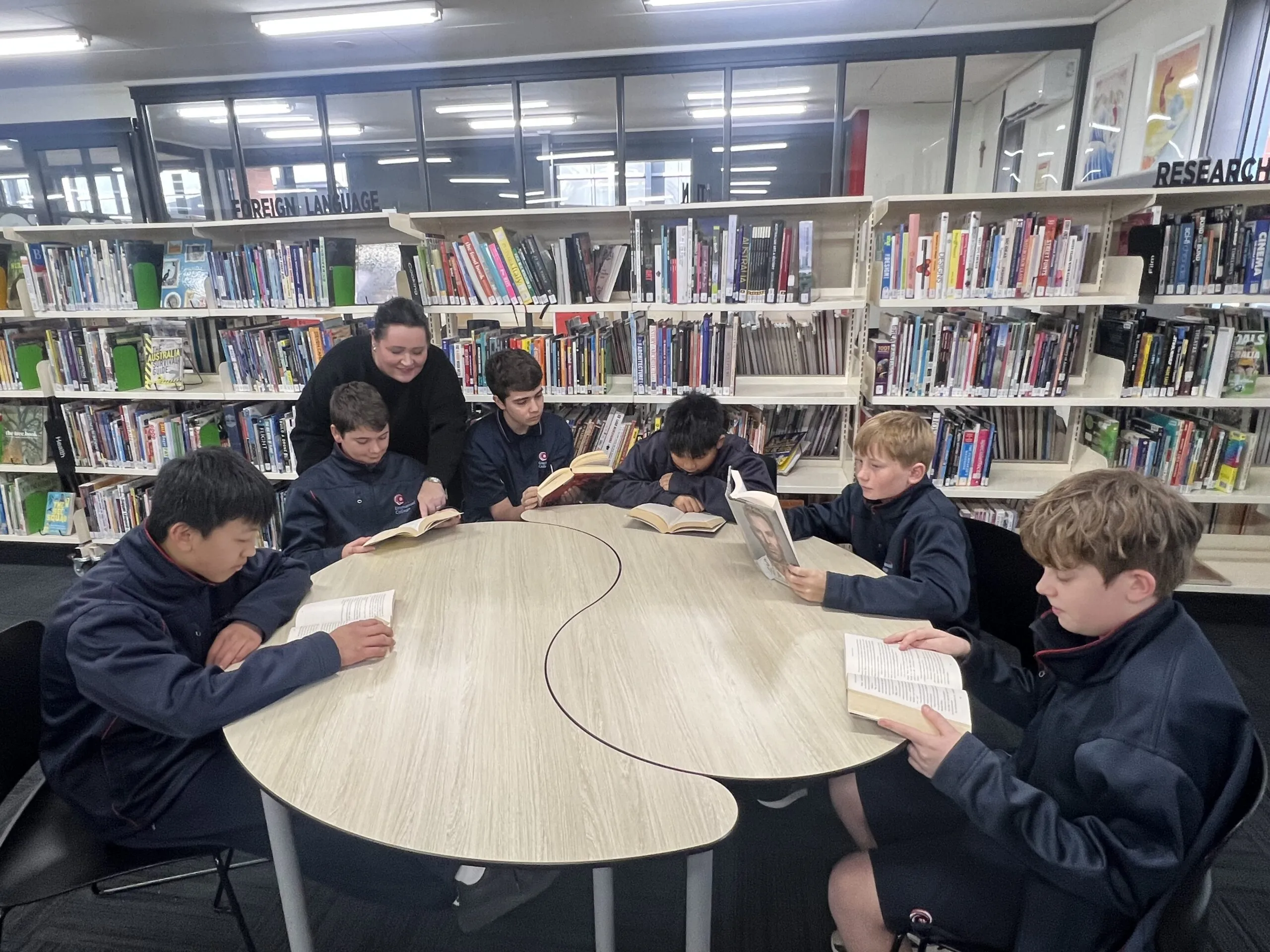
The library worked closely with the English department to embed structure. Years 7-8 attend fortnightly EMBRACE sessions, where students learn strategies for choosing appropriate books, then spend time reading quietly with guidance from teachers and librarians.

To motivate students, the College launched the Millionaire Readers initiative. The goal was simple yet ambitious: read one million words in a school year. Alongside the big target came smaller milestones to keep students moving forward. Recognition ranged from canteen vouchers and bookshop gift cards to public shout-outs and end-of-year celebrations.

Regular STAR Reading assessments were woven into the schedule – a baseline at the start of the year, with follow-ups in Literacy and Numeracy (LAN) classes. This data gave staff clarity, helped them target support, and reassured students that their progress was real and measurable.

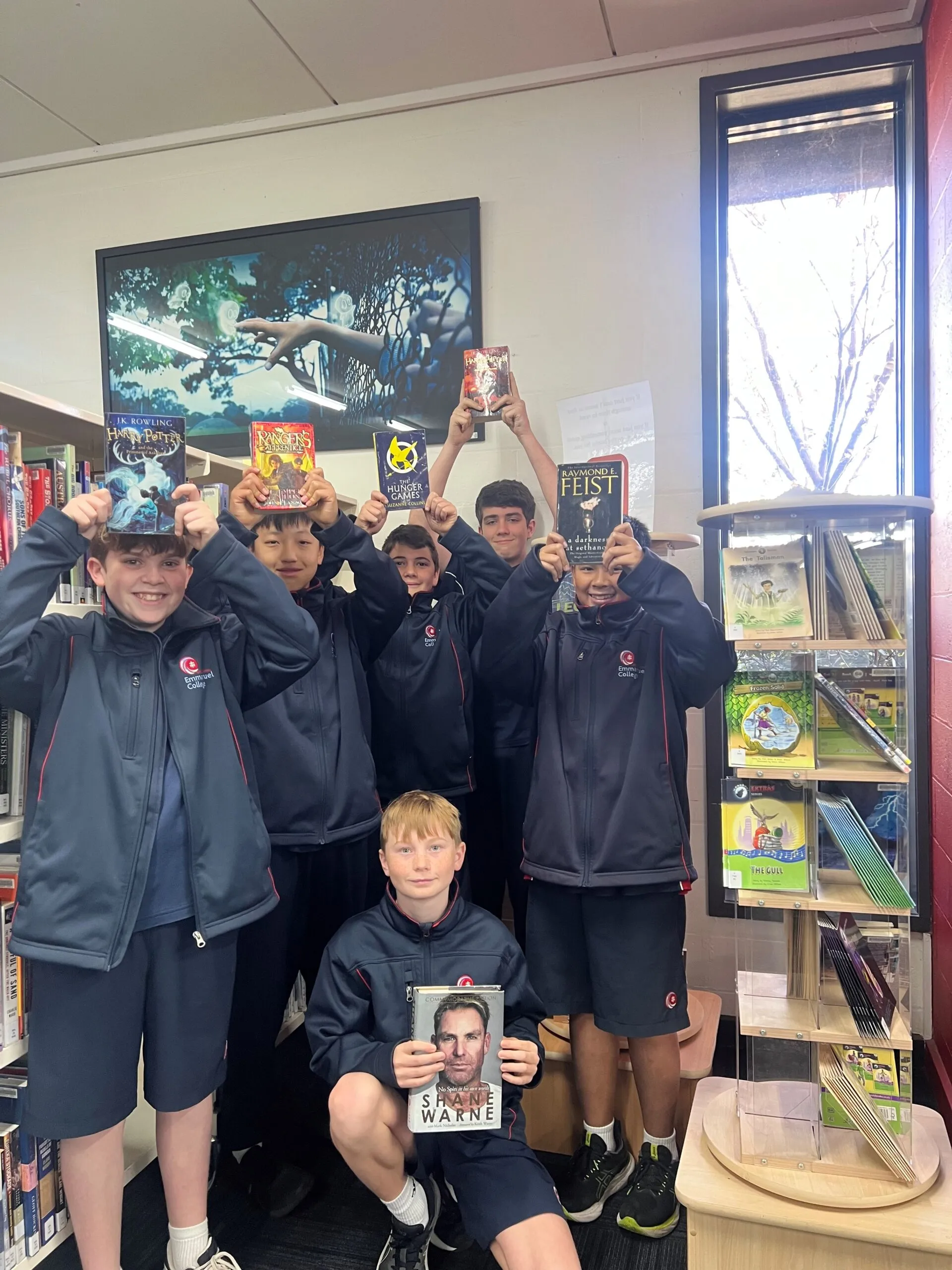
Everyday details also mattered. Classical music during reading created a calm atmosphere, and students began visiting the library to share quiz results and word milestones. The appointment of ‘AR champions’ gave many a new confidence to talk about what they were reading. Popular genres varied: at the boys’ campus humour, sport, manga, and graphic novels proved strong entry points, while at the co-educational campus romance, mystery, and fantasy dominated.

What changed

Momentum grew as reading became social. Students compared quiz results, swapped book recommendations, and celebrated milestones together. Leaderboards and stickers gave public visibility to progress, while the variety of rewards ensured recognition was inclusive.

Teachers reported calmer lessons and deeper engagement. For the first time, they could see clearly which students were thriving and which needed extra encouragement. Families also became part of the journey. With STAR Reading results included in reports, parents could see literacy progress in black and white – sparking conversations at home.

“Because STAR Reading data is included in student reports, families are able to see tangible evidence of their child’s progress and understand the importance of regular reading practice.”
– Sarah Derrig

The Deputy Principal of Inclusion used results to guide student placement and ensure interventions matched needs. Library staff, English teachers, and LAN teachers collaborated more closely, forming a united team around literacy.

Student experience

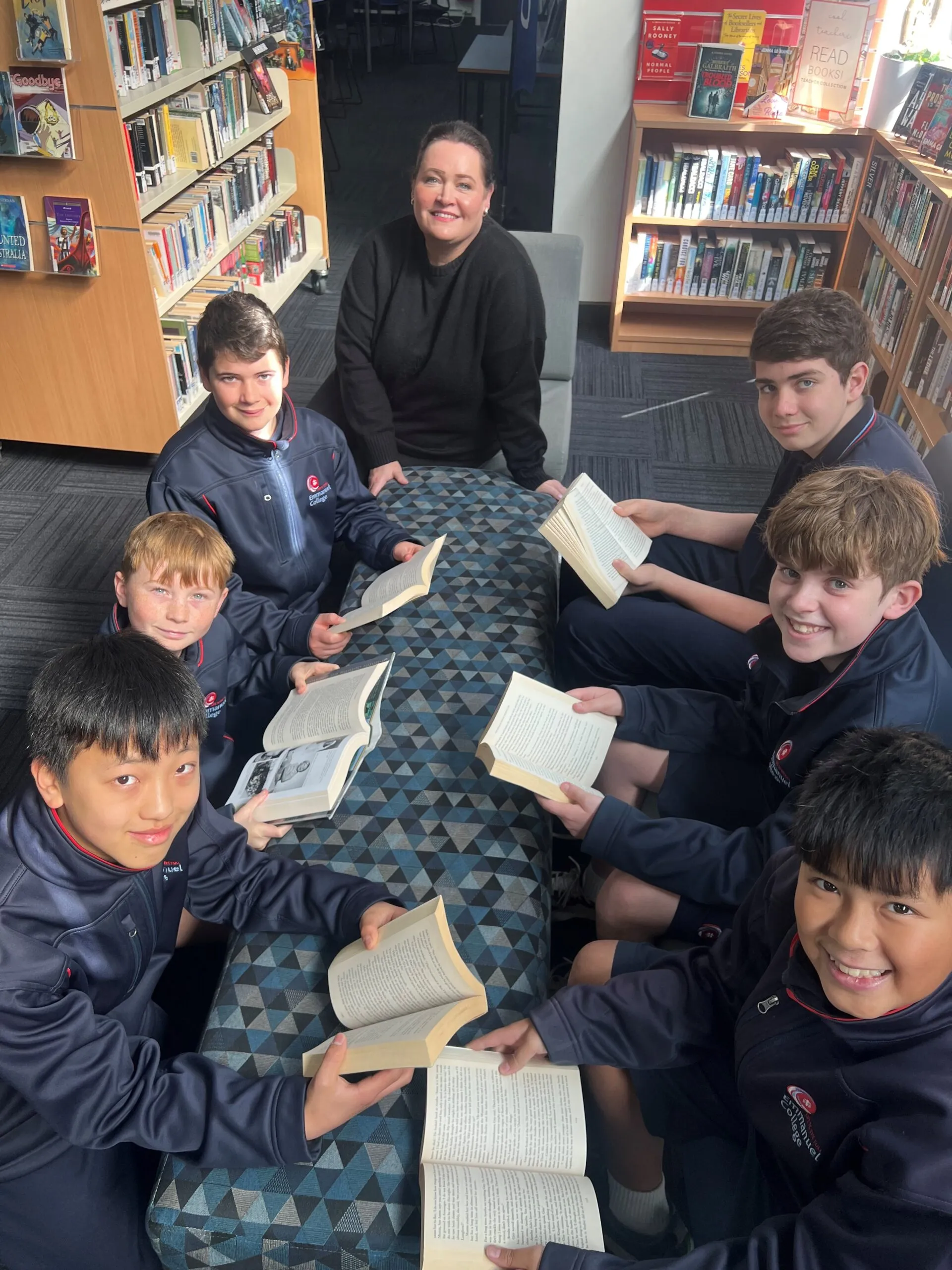
For students, the Millionaire Readers Club transformed reading into something more like a sport. The routine was clear: choose a right-level book, read regularly, take a quiz to check comprehension, and watch the word count climb.

Progress was celebrated at both personal and community levels. Small milestones of 50k, 100k, and 250k words earned canteen vouchers or bookshop credits. Larger achievements brought public recognition and entry into the Millionaire Readers Club.

Day-to-day, students describe the sessions as purposeful. Library time begins with quick guidance on book choice, followed by focused reading signalled by classical music. After a quiz, there is immediate feedback – giving students proof of growth and motivating them to push further.

The competitive spirit is friendly but powerful. Keen readers relish chasing higher totals, while reluctant readers discover that consistent effort brings visible progress. At the boys’ campus especially, camaraderie blends with rivalry: friends share book tips, cheer each other on, and quietly try to overtake one another’s word counts.

Ethan (Year 7) arrived sceptical, more interested in sport than books. The Millionaire target gave him a reason to start, and after passing 300,000 words, his confidence in class lifted.

Ahmed (Year 8) began secondary school with a reading age of nine. With steady practice, targeted LAN support, and the right texts, he reached a reading age of twelve by mid-Year 8.

As one student, Oliver, summed it up: “It felt really exciting to almost reach one million words.”

Most importantly, students now say the program belongs to them. They can track their own progress, talk confidently about it, and set their next target. Success is not reserved for the already-confident; it’s earned step by step.
Looking Ahead

Building on this success, Emmanuel College plans to extend Accelerated Reader to Year 9 to sustain momentum through the middle years. Leaders are committed to keeping routines simple but consistent – maintaining what works, while using data to iterate where needed.

For schools considering a similar path, Emmanuel’s advice is clear: build relationships first, empower the library to lead in partnership with teachers, make progress visible, and celebrate it widely. With patience and persistence, culture shifts compound – and students begin to see themselves not just as readers, but as learners achieving “life to the full.”

Credit line:

In collaboration with Emmanuel College. Contributor: Sarah Derrig, Head of Libraries.

Editor’s note:

Edited by Renaissance for clarity and length.